
by Jeffrey C Kadlowec, Architect

Building Features
Sustainable design has become an imperative process in architecture through client expectations, regulatory requirements, and global initiatives. This practice centers around metrics of embodied carbon, life-cycle impact, and circular economics. Despite vast amounts of technical data, this information remains disconnected from visual methods commonly used to develop and communicate ideas (Bacheva 2026).
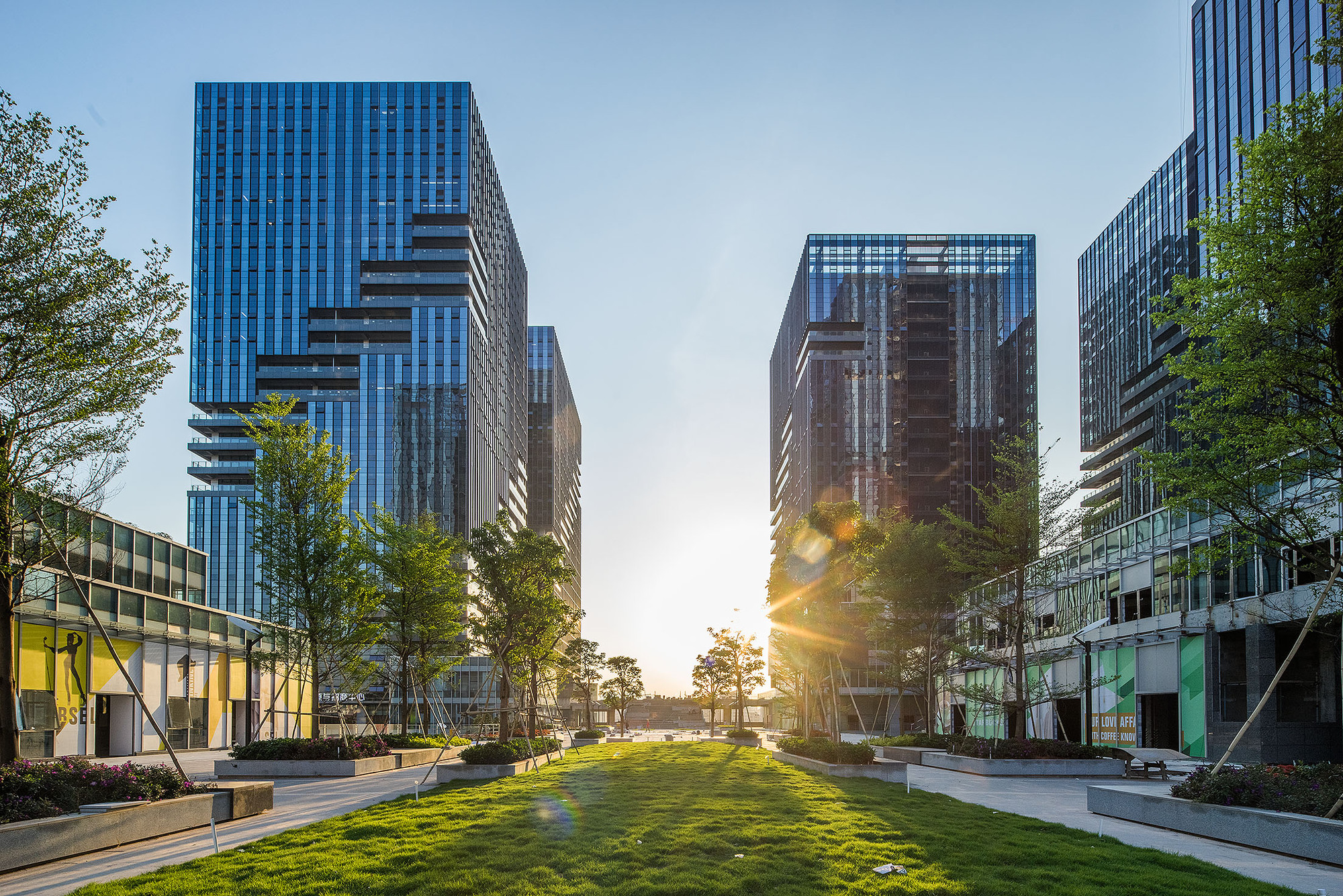
Rapid urbanization, social inequality, and climate change have created new challenges and opportunities for current and future developments. Nearly 70% of the world population is project to reside in urban areas by 2050, exerting further pressure on services, housing and infrastructure (Butt 2025). When coupled with more frequent and intense climate-related disasters, measure must be taken to improve the built environment. The severity of these crises can be prevented or mitigated through resilient design of infrastructure, public spaces, and buildings. Long-term planning should be considered in creating urban settings that are not only structurally sound, efficient and esthetic but equipped to meet current needs and capable of adapting to changing conditions.
Improving Well-Being
Increases in damage to coastal development, impact from tsunamis, exposure to wild fires, effects of extreme heat, and prolonged droughts are the result of global climate change (Chohan 2025). Government subsidies and incentives, along with public-private partnerships, provide necessary means for large-scale retrofitting of housing with greater resilience. Targeting low-income households promotes equity. Energy-efficient materials reduce costs. Utility rebates foster homeowner participation. Tax credits, loans and grants stimulate initiatives. Partnerships bridge funding gaps and foster innovation.
Healthcare facilities in particular must consider future needs and be prepared for emergency situations through continuous focus on operational resiliency (Palmer 2019). Hospitals including parking garages are places of refuge against sea-level rise, storm surges, high winds, extreme temperatures, earthquakes and other disasters. This requires self-sufficient infrastructure, elevated equipment, hurricane-resistant windows and exteriors, robust mechanical systems, submarine doors and watertight features, and an emergency command center.
The concept of ‘smart cities’ has gained recent attention as the integration of information technology into urban infrastructure to optimize services, ensure sustainability, and improve quality of life (Galymzhanova 2026). Various systems have been developed for comprehensive analysis to guide design decisions, urban planning, and operational efficiency. Effective implementation requires consideration of socioeconomics, climate conditions, and infrastructure. Integration must coordinate sustainable objectives, technological innovation, stakeholder collaboration, and governing regulation.
References
Bacheva, Tsvetelina & Grau, Javier. (2026). Visualizing Sustainability in Architectural Design: A Taxonomy of Environmental Performance Representation Strategies. Journal of Sustainable Architecture and Civil Engineering, 1(39): 71-87. DOI: 10.5755/J01.SACE.39.1.42247.
Butt, Anosh; Salama, Ashraf & Rigoni, Carolina. (2025). Agile by Design: Embracing Resilient Built Environment Principles in Architectural and Urban Pedagogy. Architecture, 5(45). doi.org/10.3390/architecture5030045.
Chohan, Afaq; Awad, Jihad; Che-Ani, Adi & Awad, Abdelaziz. (2025). Retrofit Design for Climate Resilient Housing: Strategies for Architectural Adaptation to Climate Change. Civil Engineering Journal, 11(3). dx.doi.org/10.28991/CEJ-2025-011-03-011.
Galymzhanova, Aidana; Sarkambayeva, Shynara; Kalpeyeva, Zhuldyz; Razaque, Abdul & Singh, Satyanand. (2026). Project Management Strategies for Smart City Initiatives: A Framework for Sustainable Urban Development. HighTech and Innovation Journal, 7(1). doi.org/10.28991/HIJ-2026-07-01-019.
Palmer, John. (2019). Design for disaster: Building with survival in mind. Healthcare Life Safety Compliance. HCPro, 22(7). www.hcpro.com.