
by Jeffrey C Kadlowec, Architect

Economic Strategies
Circular economies that decoupling growth from resource consumption while creating jobs is a current agenda in business and politics (Bortolottia 2026). This concept coincided with sustainability objectives of cleaner production, increased responsibility and awareness, sharing of products and services, and greater renewable energy, materials and technology. Urban planners and educators must also now justify design decisions by scientific means against a backdrop of policies and claims. Systematic analysis, online research, and qualitative methods provide a three-fold approach for exploring factors in depth.
Economic sustainability safeguards the social, cultural and environmental aspects of businesses and country while promoting long-term growth and development. Individual sustainability is the capacity of a person to sustain adequate income and financial security through money management, lifestyle decisions, and professional development (Ramli 2026). Certain individuals are significantly vulnerable to poverty due to lack of resource and inability to obtain funding. Urbanization policies must consider the needs of all citizens and emphasize inclusive development focused on raising income and the standard of living by improving delivery systems, providing essential services, and reducing household inequality. New socioeconomic stratum has arisen through industrialization in the rural-to-urban migration.
Sustainable Cities
Transportation infrastructure, water supply, electrical power, and telecommunication services are essential for urban communities. Socioeconomic factors become increasing vulnerable with rapid growth and climate change, leaving cities exposed to natural, environmental and technological risks (Osei-Kvei 2026). Public-private partnership improves urban community resilience, especially with disaster management. Collaboration between local government agencies and private entities provide the framework, policies and resources with knowledge, expertise and finance. Employing a highly skilled and competent workforce has been shown as the most beneficial strategy towards in service operations and building urban resilience.
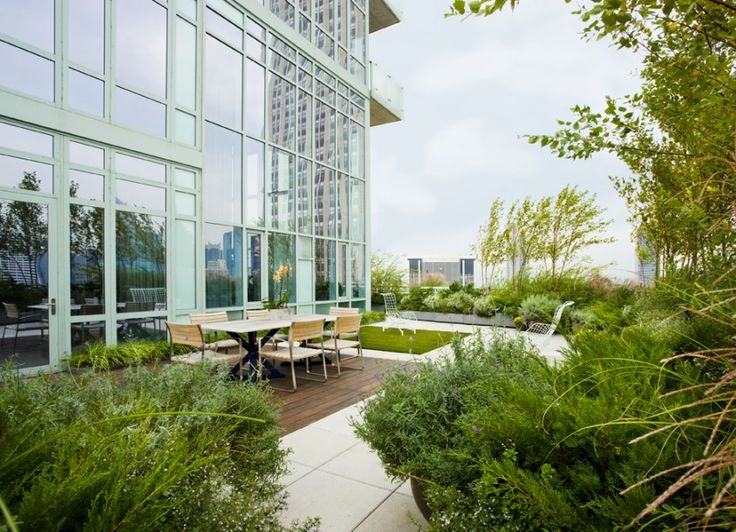
Urban green and blue spaces have becoming more relevant in modern design through social recognition and environmental benefits. These public, semi-public and private spaces—part when integrated with sustainable infrastructure—include parks, beaches and wetlands, sports fields, green roofs, and domestic gardens (Solvie 2025). Storm water management, heat island mitigation, and carbon sequestration or storage are civil engineering solutions to the problems created by denser urban development. Enhancing urban areas with improved access positively also impacts physical and psychological well-being while increasing resilience to crises. Although five negative factors do occur as a result (see Fig 1), overall comfort, enjoyment and satisfaction are advantageous.

Figure 1. Systems-based problems and unpleasant experiences framework (Solvie 2025).
References
Bortolottia, Andrea ; Vergab, Giulia & Khanb, Ahmed. (2026). Which circularity for urban design and planning? A compass to navigate circular economy research knowledge and methods. Planning Practice & Research, 41(2): 265–284. doi.org/10.1080/02697459.2023.2262128.
Osei–Kyei, Robert; Narbaev, Timur; Ampratwum, Godslove & Ke, Yongjian. (2026). Critical strategies for building urban community resilience through public-private partnerships: a system dynamics modelling. International Journal of Construction Management. doi.org/10.1080/15623599.2026.2641179.
Ramli, Mohamad; Senin, Aslan & Majid, Muhammad. (2026). Initiatives in Sustaining the Individual Economic Sustainability Among the Absolute Urban Poor Communities. Entrepreneurship and Sustainability Issues, 13(4). doi.org/10.9770/n2489259566.
Solvie, Alyssa; García-Antúnez, Oriol; Cook, Elizabeth; Gulsrud, Natalie; Olafsson, Anton & Maurer, Megan. (2025). What turns us off about green and blue spaces in cities? Understanding perceived problems and unpleasant experiences for more just urban planning, design and management. People and Nature, 8: 2393-2409. DOI: 10.1002/pan3.70358.