
- May 2026 (2)
- April 2026 (1)
- January 2026 (1)
- September 2025 (2)
- August 2025 (1)
- December 2024 (2)
- November 2024 (2)
- October 2024 (1)
- August 2024 (1)
- July 2024 (3)
- June 2024 (4)
- May 2024 (4)
- April 2024 (1)
- March 2024 (1)
- February 2024 (4)
- January 2024 (4)
- December 2023 (3)
- November 2023 (5)
- October 2023 (3)
- September 2023 (1)
- August 2023 (5)
- July 2023 (5)
- May 2023 (1)
- March 2023 (1)
- February 2023 (4)
- January 2023 (3)
-

Risk Management in Strategic Planning and Construction Scheduling
Increasing complexing in construction requires greater collaboration between individuals and companies to achieve successful completion of projects at required quality standards within estimated budgets and timelines. This paper explores various techniques to manage risks, evaluate performance and address the multitude of factors affecting planning and scheduling. The first part reviews concepts from a study on…
-

Risk Assessment Tools for New and Existing Construction Projects
Risk management identifies risks, examines impacts, forms responses and monitors results. Construction supervision is effective at reducing risks through documentation, compliance, conformity and selections. Information about risk can be analyzed with qualitative and quantitative methods. By understanding the source of uncertainties, project managers can reduce adverse risks and learn from them, resulting in better project…
-

Risk Assessment and Management in Construction
Construction is a growing industry with major impacts to the economy. Risk assessment is vital to the successful project completion. Quality work should be completed on time and within budget. This process begins with identification, followed by analysis to determine relative severity of threats. Plans and procedures can then be developed to reduce or eliminate…
-
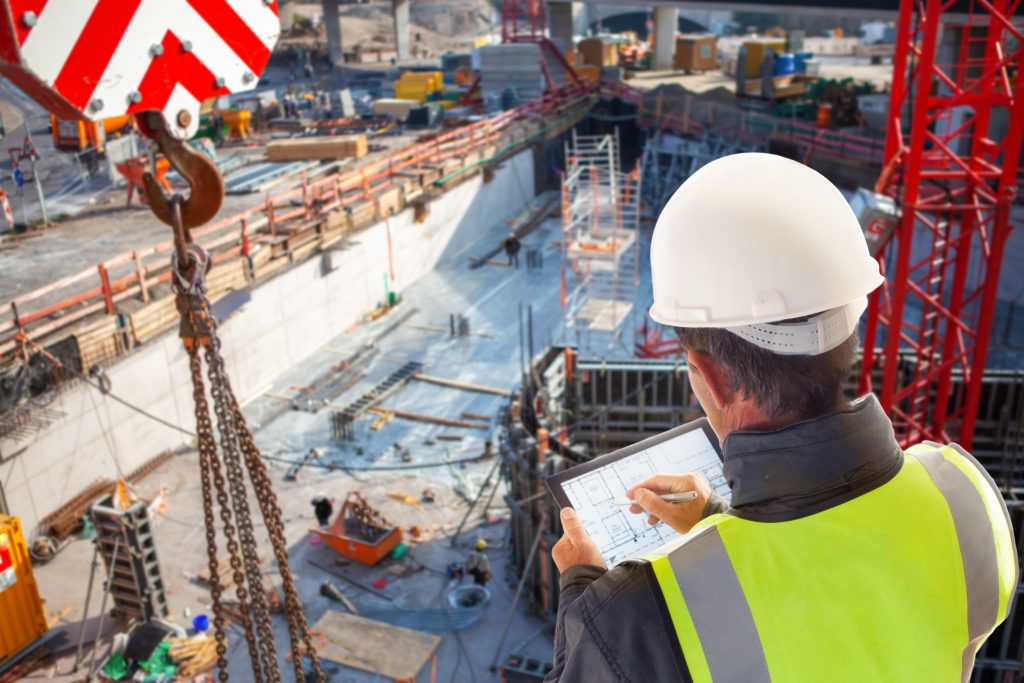
Understanding Risks in the Construction Industry
Construction projects are unique and complex, incorporating the interest of various stakeholders and efforts of many different parties. Managing risks throughout the multiple phases is essential to successful completion. Uncertainty will negatively affect productivity, performance, quality, and budget. Implementing a systematic approach will identify and assess these risk to assist in decision-making, thereby minimizing adversity…
-

Analysis of Legal Responsibilities in Joint Ventures
Joint Ventures combine the expertise and resources of multiple parties to perform construction projects. Contract agreements between owners, architects, engineers, and contractors must clearly define the scope of work along with the roles and contributions of each party. The terms must be negotiated, agreed upon, and enforceable. New technologies and the collective experience provide opportunities…
-

Implementing Building Information Modeling for Design and Construction
Construction processes differs greatly from manufacturing procedures. Labor productivity and performance, project changes and delays, and misinterpretation or misunderstand negatively impact profitability and sustainability. Building Information Modeling (BIM) offers many ways to increase efficiency, however implementation and utilization of this technology remains challenging. Workflow and protocols must transition from traditional 2D documents into 3D, 4D…