
by Jeffrey C Kadlowec, Architect

Civil Engineering
Transformations are occurring throughout the civil engineering sector to address global warming, environmental degradation, and resource depletion. Strategic changes towards sustainability involve reducing carbon footprint, improving energy efficiency, employ low-impact materials, and promote circular economies (Yuan 2025). Modular, adaptable and performance-based designs that utilize geopolymers, biopolymers, natural fibers and nanocomposites enhance resilience while still face barriers in cost, regulation and adoption. Building Information Modeling (BIM), the Internet of Things (IoT), Big Data (BD), Virtual Reality (VR), and Artificial Intelligence (AI) allow for process optimization, improved utilization, reduce waste, and increase resilience. Combining technological innovations and operational efficiency in green development and adaptable design without increasing energy consumption or generating electronic waste is the current challenge that undermines environmental benefits (see Fig 1).

Figure 1. Resilient and Adaptable Design (Yuan 2025)
Construction produces 40% of greenhouse gas (GHG) emissions with consumption of natural resources accounting for 50% of material extraction. Significant efforts have been made to decrease environmental impact of building by reduction in energy consumed for heating, cooling and hot water throughout life cycle of buildings (Kobayashi 2026). Life cycle assessment (LCA) evaluates various factors, using approximations in the design phases to improve overall performance and provide benchmarks for future designs. Multifaceted study of GHG emissions of building structures and finish materials identified dominate areas to consider for reduction. Steel frames, ready-mix concrete, and reinforcing bars exhibited the highest impact, along with metal doors and windows which are frequently replaced.
Urban Design
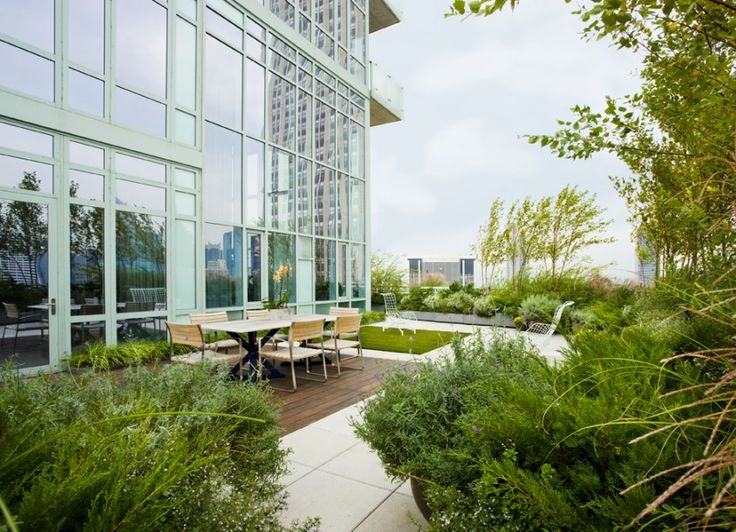
With rapid urbanization and increasing population density, only 16% of land is allocated for streets and open spaces. Mixed cultural backgrounds resulting in conflicts over spatial utilization and uncivilized behaviors. Resilient design attempts to mitigate these contradictions through enhanced efficiency of limited space (Yuan 2023). Urban infrastructure, service capacity, and environmental pressure is changing lifestyles. Robustness, adaptability, efficiency, diversity, connectivity, redundancy, and modular are seven components of resilient design to strengthen communities and improves quality of life. Low-demand infrastructure, social service facilities, focus on functional requirements, limits to spatial planning, utilizing temporary solutions, and pedestrian-friendly pathways are current strategies for improvement that avoid simply increasing quantity.
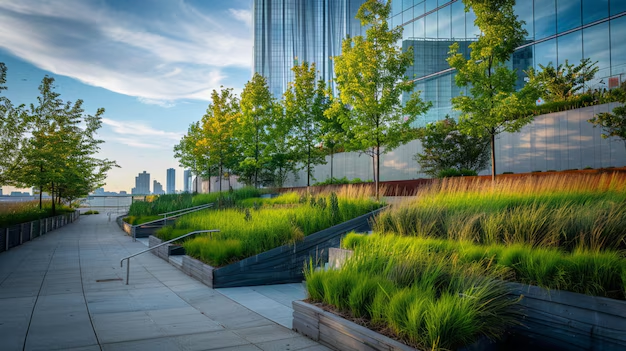
Urban regeneration has evolved as an integrative concept to address climate change with justice, resilience, biodiversity, and well-being through actions and strategies of sustainable development (Macaione 2026). Nature-based solutions enhance the socioeconomic and ecological performance of urban environments by a systematic approach to improve streetscapes, storm water management, heat island effects, public spaces, and biodiversity loss. Climate-adaptive frameworks transform mono-function, car-centric infrastructures into vibrant and inclusive communities.
References
Kobayashi, Kensuke; Mikawa, Hiroshi; Kajitani, Ryosei; Yazawa, Hanae; Suzuki, Yoshiyuki & Tanaka, Yosuke. (2026). Reducing Environmental Impact of Buildings Based on Actual Building Analyses: A Multi-Criteria Study of Frame and Finish Materials. Sustainability, 18: 2045. doi.org/10.3390/su18042045.
Ligarda-Samanez, C A, Huamán-Carrión, M L; Cabel-Moscoso, D J; Muñoz Sáenz, D M; Martinez Hernandez, J A; Garcia-Espinoza, A J; Calderón Huamaní, D F; Carrasco-Badajoz, C; Cordero, D P; Sucari-León, R & Aroquipa-Durán, Y. (2025). Technological Innovations in Sustainable Civil Engineering: Advanced Materials, Resilient Design, and Digital Tools. Sustainability, 17: 8741. doi.org/10.3390/su17198741.
Macaione, Ina; Andaloro, Bianca & Raffa, Alessandro. (2026). Designing Urban Streetscapes in the Climate Crisis: A Design-Driven Framework for Nature-Based Urban Regeneration. Sustainability, 18: 3544. doi.org/10.3390/su18073544.
Yuan, Shuai; Maliki, Nor Zarifah & Cui, Heng. (2025). Public Perceptions of Resilient Design Characteristics in Urban Form. Sustainability, 17: 614. doi.org/10.3390/su17020614.