
by Jeffrey C Kadlowec, Architect

Energy Resources
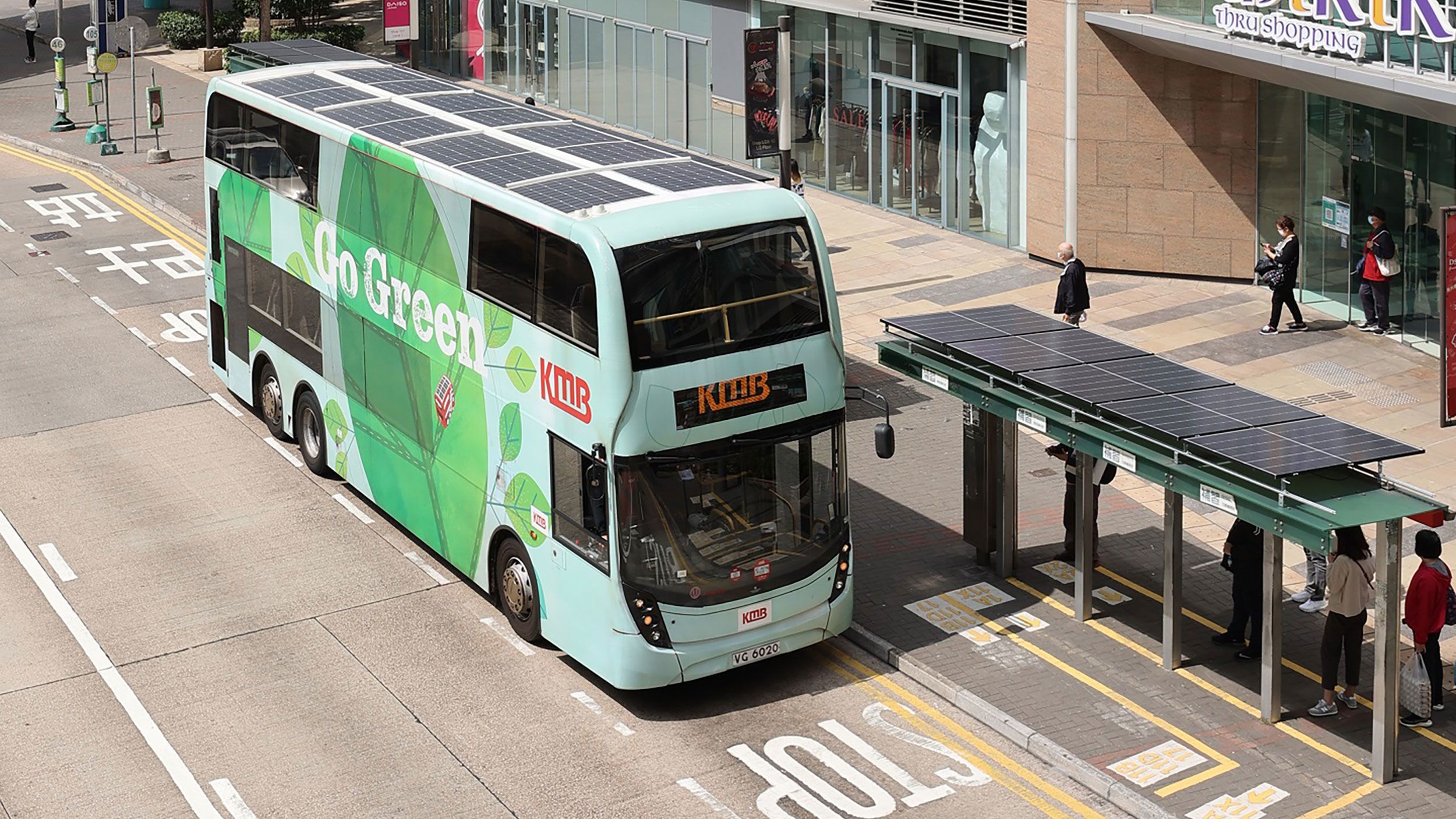
Carbon emissions, global warming and environmental degradation pose serious threats to our modern world and many living organisms. Population growth, globalized production, and energy consumption are accelerating these negative effects (Khan 2026). The power sector is the greatest emitter of CO2 due to its high utilization of fossil fuel in generating electricity to meet demands. Renewable energy resources have become the predominate strategy for reducing greenhouse gases to achieve near-zero emission or eliminating carbon output.
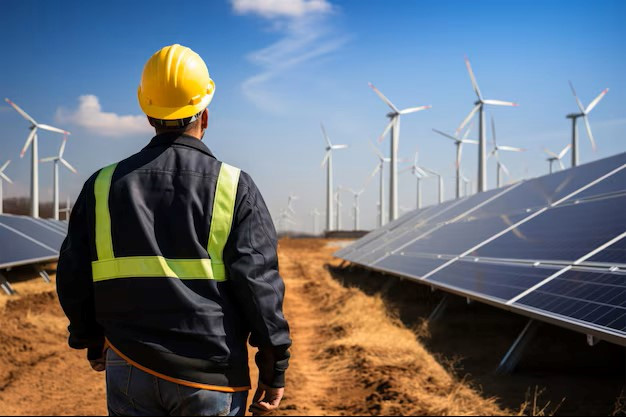
Geothermal, biomass hydrogen, and solar energy are highly effective ways of reducing CO2 emissions in OECD (Organization for Economic Cooperation and Development) countries. Renewable energy source can significantly lower CO2 emissions with a 0.50–1.25% decrease for every 1% increment of usage (Türüç-Seraj 2026). Economic growth has recently been found to reduce emissions as structural transformations improve energy efficiency, though expansion of the manufacturing and industrial sectors for export tends to worsen emission levels. Population growth is also a driver of rising emissions, accounting for roughly half of CO2 emission through fossil fuel and energy consumption. Clean energy resources and environmental protection policies are necessary to limit this increase.
Challenges and Constraints
Worldwide energy consumption is predicted to continue increasing; while fossil fuels are finite resources, renewable resources are practically limitless. Transitioning towards green sources improved energy security and mitigates global warming (Gao 2024). Intergeneration theory suggests that it is the social responsibility of current generations to protect the environment for future generations. Substituting conventional energy sources with clean green sources is one way to achieve that goal. Understanding the impacts of energy policies and implementation is crucial for governments, investors and stakeholders. Financial considerations remain the greatest challenge due to economic uncertainty, market unpredictability, and lack of credit.
Combustion of fossil fuels remains the main contributor of greenhouse gas emissions, creating a climate crisis with dangerous environmental, economic and social impacts (Desai 2026). Renewable energy transition threatens the core interests of multinational energy companies and the fossil fuel industry. Discrepancies exist between corporate discourses and internal positions regarding the climate narrative regarding responsibility, transformation, action, and downsides—promoting misleading information and obscuring mitigation efforts. Investor initiatives and shareholder activism are pressuring corporations towards stringent emission reduction and renewable energy transition. Public demands and political action have become the real driver of accelerated transition through community protests, new legislation and non-proliferation treaties.
Energy Transition
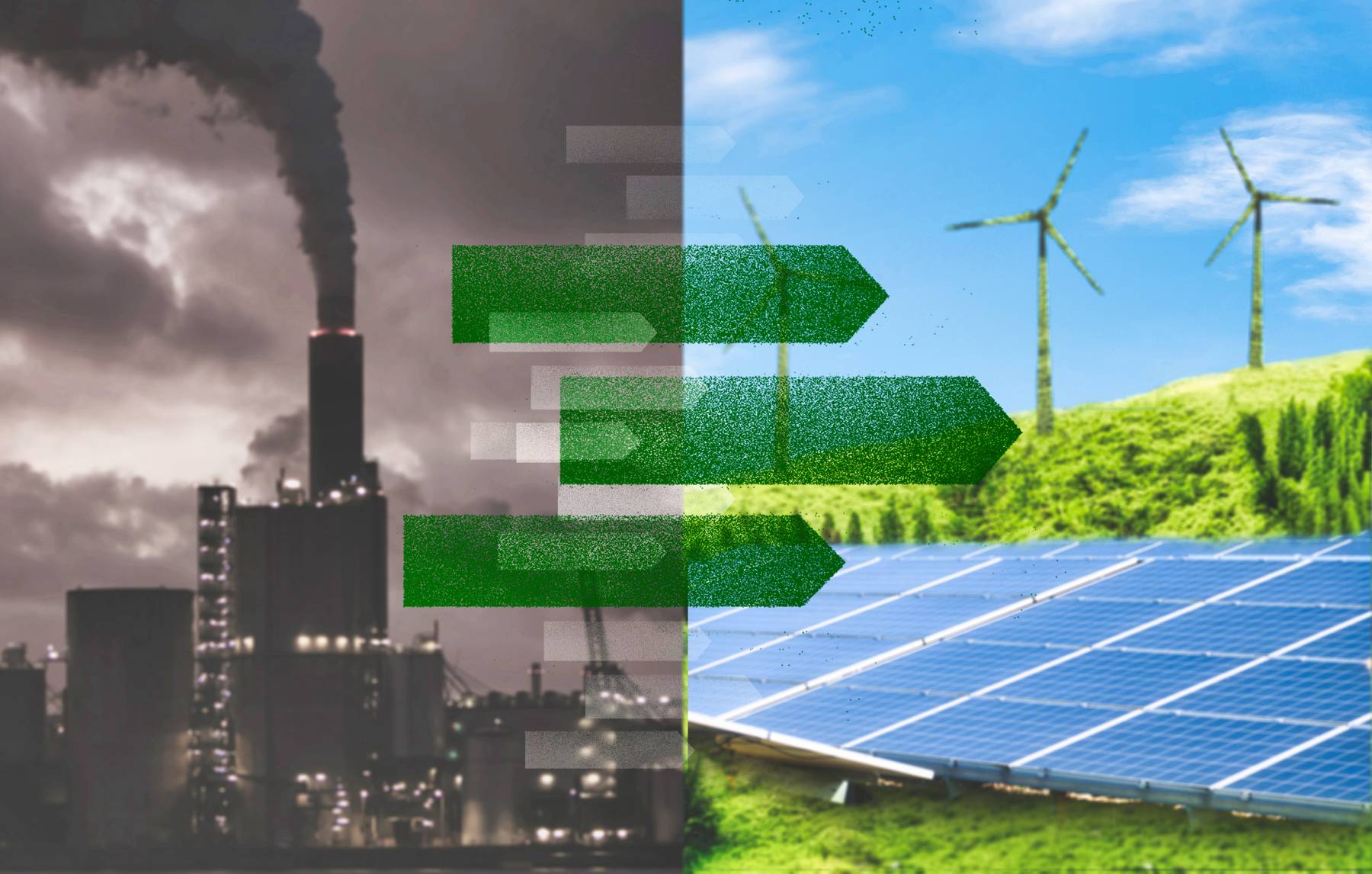
Fossil fuels account for around 80% of energy consumption worldwide despite increased utilization of renewable sources resulting in global warming, sea level rise, and ozone depletion (Zheng 2026). Negative impacts of power generation efficiency, energy supply, and infrastructure stability, supply chain disruptions, reduced agricultural productivity, and economic inequality are growing threats for modern societies. Climate policy uncertainty and renewable energy consumption require a stable long-term framework that coordinates traditional and renewable development to resolve conflicts through digitalization and technological innovation. Incorporating precise energy consumption data from international agencies will account for disparities of developed and developing economies while reducing estimate deviations.
References
Desai, Dipa; Si, Yutong; Bozhilova, Diana; Puffer, Sheila & Stephens, Jennie. (2026). Renewable energy discourses of fossil fuel companies: obstruction and delay of climate action. Sustainability and Society, 16:13. doi.org/10.1186/s13705-026-00565-z.
Gao, Yannan; Hafeez, Muhammad; Kouki, Fadoua; Sher, Falak & Akbar, Muhammad Waqas. (2024). Unraveling the impact of financial stress and trade policy uncertainty on advancing renewable energy transition in the USA. Energy & Environment, 37(3): 1370–1395. DOI: 10.1177/0958305X241262504.
Khan, Muhammad Asghar; Shahbaz, Pomi; Thi Minh, Uyen Pham; Nguyen, Ngoc Hung & Mai, Thanh Huyen. (2026). Driving the Green Shift: How Energy Transition and Environmental Policy Stringency Shape Environmental Quality. Polish Journal of Environmental Studies, 35(2): 1643-1656. DOI: 10.15244/pjoes/200221.
Türüç-Seraj, Fatma; Pervar, Ata; Üçı¸sık-Erbilen, Süheyla & Seraj, Mehdi. (2026). Green Governance and Energy Transition: A Quantile-on-Quantile Analysis of Renewable Energy, Policy, and Innovation Effects on Carbon Emissions. Sustainability, 18: 1127 doi.org/10.3390/su18021127.
Zheng, Yuming; Wang, Kai-Hua; Moldovan, Nicoleta-Claudia; Mihit, Lavinia Daniela & Cristina, Nicolescu Ana. (2026). Climate Policy Uncertainty and Renewable Energy Consumption: Multiple Insights from Digitization, Energy, and Innovation-Oriented Governance. Sustainability, 18: 5460. doi.org/10.3390/su18115460.