
by Jeffrey C Kadlowec, Architect

Carbon Dioxide Conversion
Third-generation biofuel technology integrated anaerobic fermentation to convert carbon dioxide into acetic acid with aerobic fermentation to convert acetic acid to lipids including valuable fatty acids. The lipids are then trans-esterified to separate high value fatty acid esters with remaining lipid esters for biodiesel (Puri 2018). The process could reduce demand for fatty acid obtained from fish oil, has potential for CO2 sequestration / carbon recycling, and can produce sustainable food and fuels economically at commercial scale.
Net-Zero and a Circular Economy
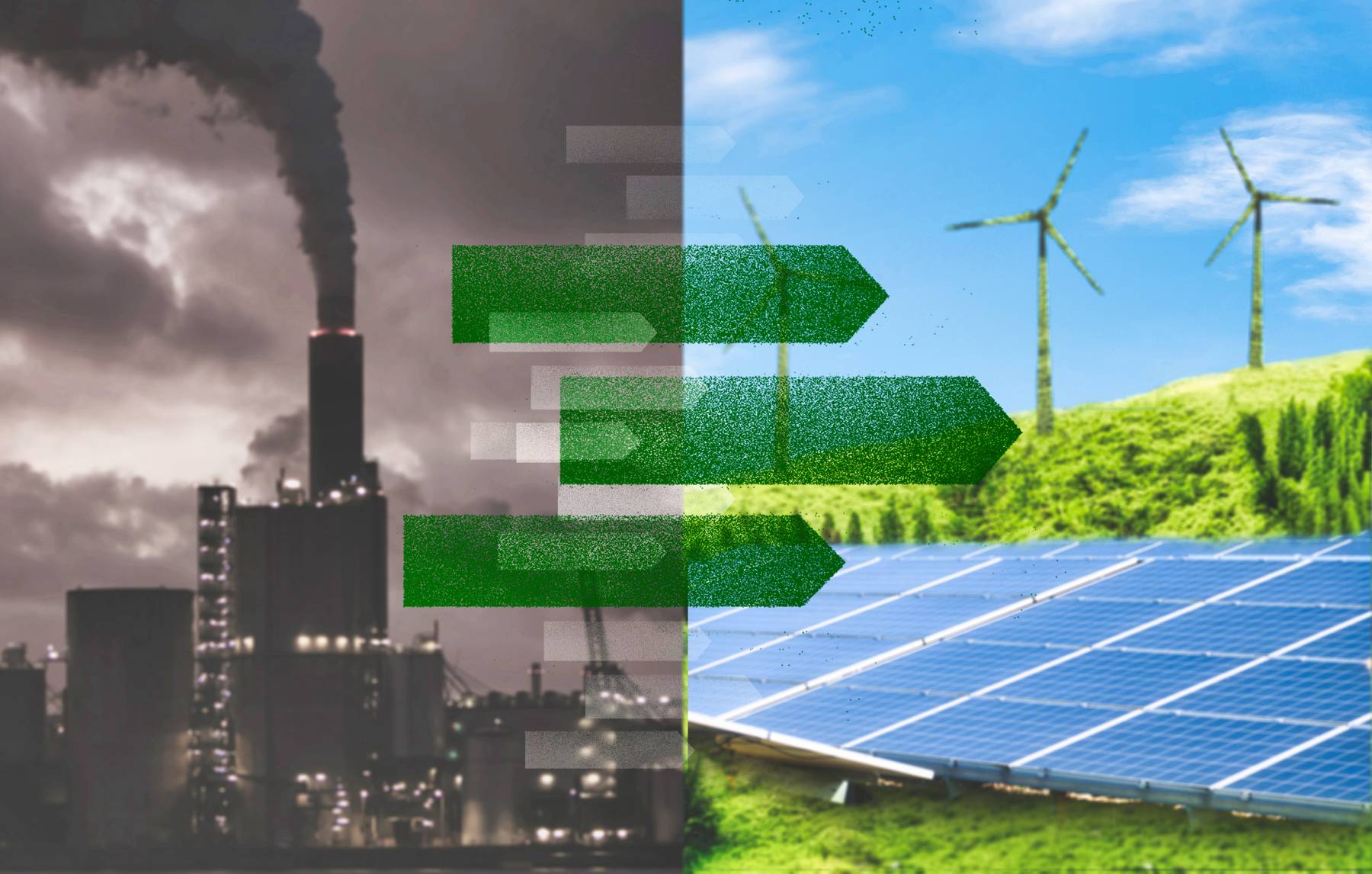
There have been significant developments over the last decades in technologies related to advance biofuels. Even with advances in electro-chemical, thermo-chemical, oleochemical, and biochemical conversion, no biofuels is yet cost competitive with fossil fuels at the market level. However, increasing prices of fossils and further policy support could soon make biofuels economically competitive (Paris 2022). The main objective of the Paris Agreement is achieving carbon neutrality with emissions and reduce the rate of global warming below 2° C by 2050. To date, 148 countries have committed to these goal by enacting climate laws (Luna 2026). The difficulty of putting these laws into practice requires implementing technologies capable of meeting those criteria. Circular economic pathways are therefore the most financial viable option.
Case Studies
Swedish Water & Wastewater Association and Federation of Swedish Farmers (LRF), in cooperation with the Swedish Environmental Protection Agency, operate the REVAQ certification system to ensure the quality of anaerobic digestion for sewage sludge. More than 50% of the population, with a steadily growing number, is connected to a REVAQ-certified wastewater treatment plant (WWTP). Work performed by these facilities focuses on removing heavy metals and other contaminants before reaching WWTPs to ensure safe recycling of nutrients (Persson 2015). This builds confidence, reduces contaminants, and increases recycling through systematic, transparent and goal-oriented cooperation.
In Brazil, differences of seasonality, consistency and volume for urban residues present separate challenges for rural and agricultural substrates. Food wastes are screened from non-organic components with sewage being diluted in the substrate mix. The digester is pre-fabricated in separate sections of light material and assembled on site to reduce costs. Biogas production consists of about 60% methane that is refined through a patented process that integrates water scrubbing and pressure swing adsorption (Galvão 2017). This leads to a reduction in greenhouse gas (GHG) emissions while saving on monthly fuel bills and providing biofertilizer.
Regulatory Challenges
Climate change from GHG emissions and depletion of fossil fuel resources is leading the global energy transitions towards renewable sources. The international scientific community has made significant advances in the production of clean energy from microalgae and biological residues. Developments in conversion technologies allow for the integration of bioenergy into the modern supply chain, though cost issues, energy balance, and implementation at scale remain challenging (Melnyk 2025). Next-generation bioenergy could greatly aid in decarbonizing the transportation industry, especially in the maritime sector; but will depend on widespread adoption, creating international standards, and adapting port infrastructure. Technological advances and regulatory policies should continue to focus on developing a biofuel ecosystem and climate-neutral shipping.
References
Galvão, Rodrigo; Gomes, Regean; González, Rafael; Marques, Felipe; Schmoeller, Larissa; Sousa, Marcelo & Zank, João. (2017). Biomethane Demonstration: Innovation in urban waste treatment and in biomethane vehicle fuel production in Brazil. Biogas in Society. IEA Bioenergy Task 37.
Luna, Diego; Estevez, Rafael; López-Tenllado, Francisco & Montes, Vicente. (2026). Advanced Biofuels as a Key Pathway for Carbon-Neutral Diesel Engines in the 2050 Net-Zero Scenario. Energies, 19: 1938. doi.org/10.3390/en19081938.
Melnyk, Oleksiy; Onyshchenko, Svitlana & Zhіkharieva, Vlada. (2025). Next-Generation Bioenergy: Challenges for the Regulatory Environment in the Maritime Industry. Lex Portus, 11: 5. DOI: 10.62821/lp11503.
Paris, Bas; Papadakis, George; Janssen, Rainer & Rutz, Dominik. (2022). Feedstock analysis, technical and achievable potential of advanced biofuels, renewable gases and recycled carbon fuels for the Greek transport sector until 2050. Green Energy and Sustainability, 2(4): 0008. doi.org/10.47248/ges2202040008.
Persson, Tobias; Svensson, Mattias & Finnson, Anders. (2015). ReVaq Certified Wastewater Treatment Plants in Sweden for Improved Quality of Recycled Digestive Nutrients. Biogas in Society. IEA Bioenergy Task 37.
Puri, S K. (2018). Success Stories of Advance Biofuels for Transport. IEA BioEnergy. www.ieabioenergy.com/wp-content/uploads/2020/11/7-FF_IEABio_SuccessStories_DBT-IOC-LanzaTech_CO2toLipids.pdf.