
by Jeffrey C Kadlowec, Architect

Food and Biofuel Production
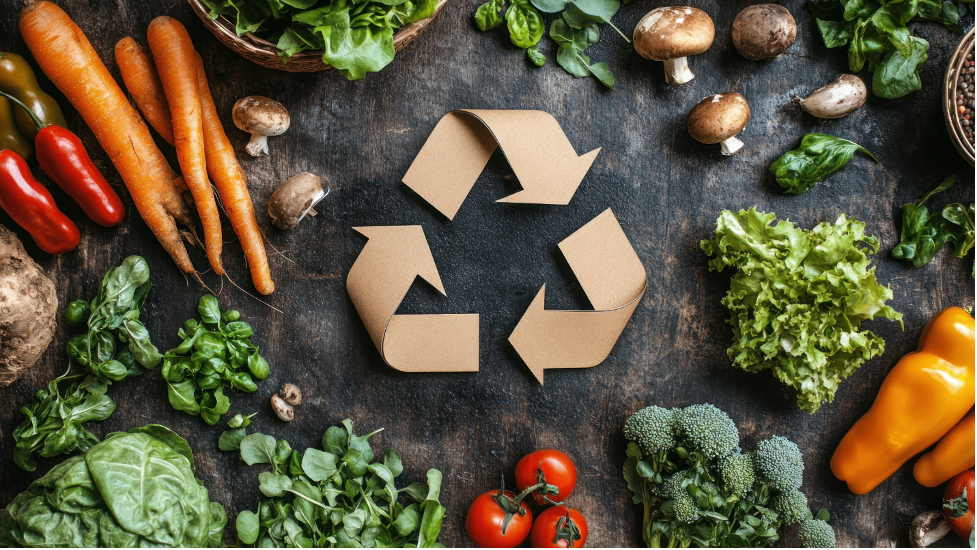
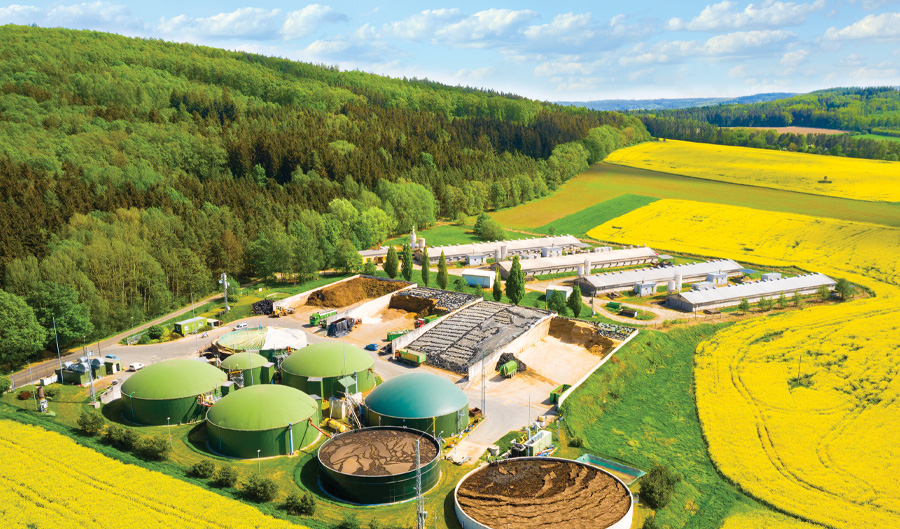
The debate between food and fuel derives from people believing that feedstocks will be used for transportation instead of feeding the hungry, exploring whether land and water should be used for growing calories for people or hydrocarbons for machines (Greer 2025). Converting cropland for renewable energy production will cause indirect land-use change (ILUC), requiring reallocation of resources and affecting global food markets. Biofuels reduce emissions, open new markets, create new opportunities, improve energy independence, and fund innovations in agricultural technology (AgTech). These require clearing of forest, increase land-rent, reduce crop diversity, adds volatility to energy markets, and increase food prices. Access to food and the threat of climate change cause tension between risk of food shortages and renewable power. This dilemma requires holistic stewardship of the food energy ecosystem.
Adequate understanding of the conflict between global food security and increasing biofuel production is required by business and technical communities (Thompson 2012). Maize and sugarcane can be used for producing ethanol, with palm and oil-rich plants for biodiesel. Research and development is exploring alternative crops, more efficient utilizations, and converting woody biomass. Underlying ethics of resource allocation becomes apparent when many food producers are among those living in poverty. Approximately 80% of the poorest people are tied to agricultural production. Developers must understand and accept the human implications and social responsibility of biofuels. Improving biological effectiveness in farming methods offers economic returns to their labor. The lesson from a moral perspective is that conscientious efforts must be taken in technological innovation and human development.
Implementing Green Energy
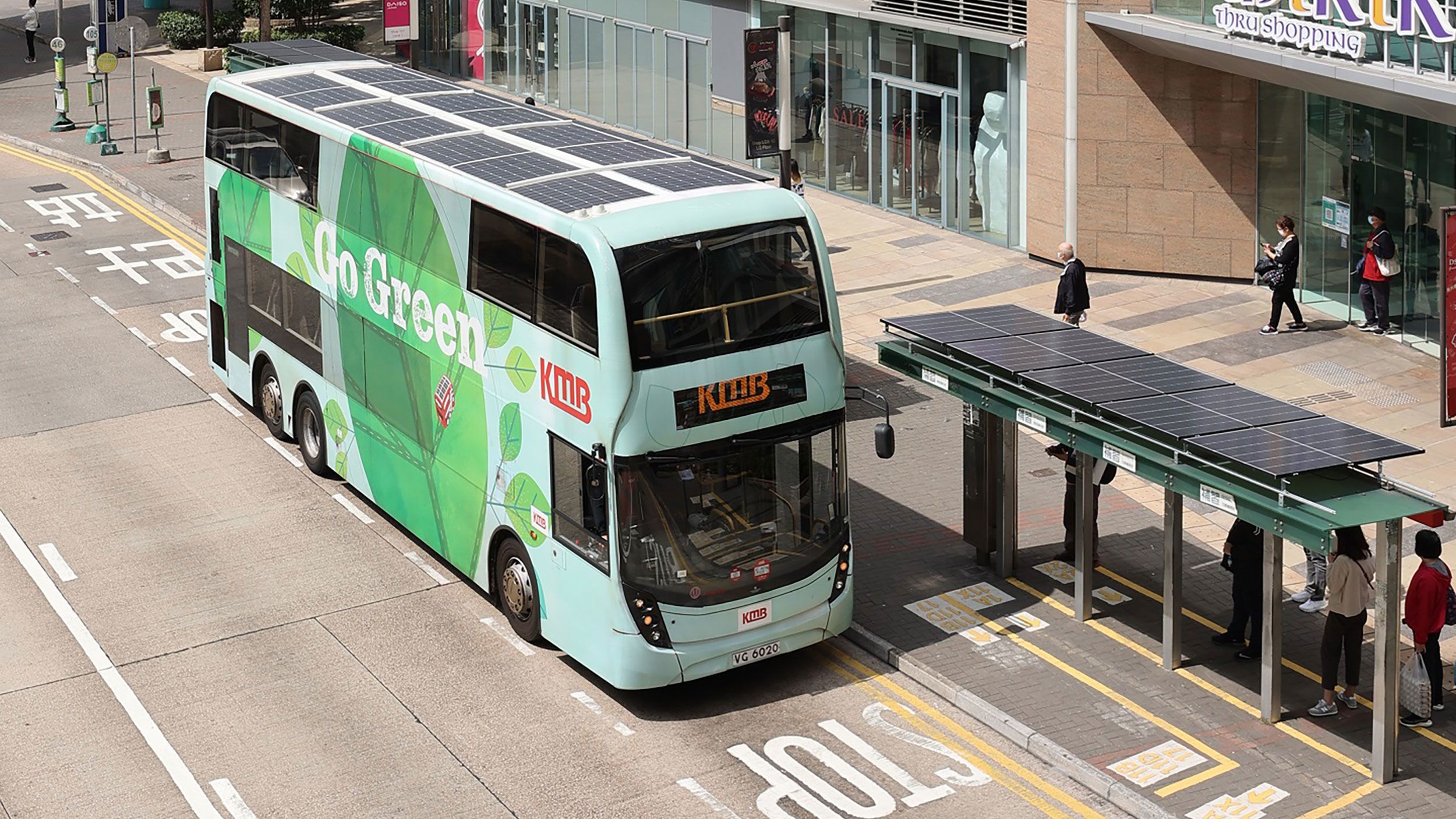
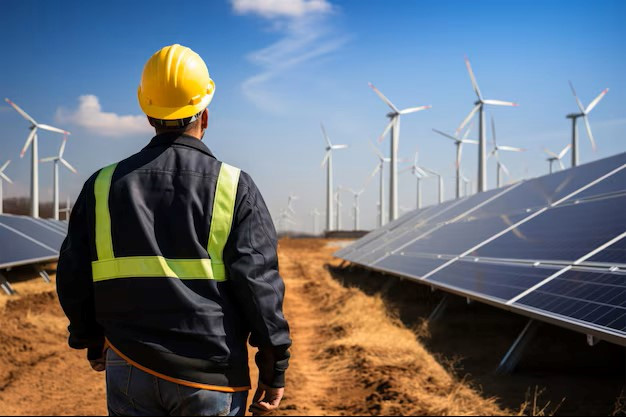
Economic constraints, technological barriers, and political issues are significant challenges for implementing renewable energy policies globally, as nations attempt to reduce emissions and reliance on fossil fuels (Rahmani 2025). Investment cost of infrastructure improvement is the biggest obstacle preventing adoption of green energy and sustainable practices. Government subsidies and financial incentives bridge some of these funding gaps, though the private sector remains hesitant due to indirect value and uncertain returns. Energy storage and grid modernization present technical challenges because of variability in the energy outputs of renewable sources compared to traditional fossil fuels. Corporate policies and political resistance slow progress of energy transition, resulting from conflicts between short-term economic growth over long-term sustainable goals. Public opinion in local economies becomes threatened when faced with job displacement, employment instability, and land-use impacts. Technological innovations and international collaboration offer the most promising solutions in affordable renewables, global infrastructure, and climate agreements.
Do farmers need to grow for eating or crops for energy production? In Latin America, governments and industries are investing in business that provide capital return and give back to the community (Hitchings 2008). Maintaining a balance ensures that residents are not going hungry and nothing is compromised, while providing larger income through diversity in biofuels. John Autrey (CEO of Texas Biodiesel) explained that ‘sustainability’ is the ability for people to eat, prosper, and preserve the environment for future generations through social and environmental responsibility coupled with economic concerns.
References
Greer, Harvey. (2025). Food vs Fuel: Feeding and Powering the Future. ResourceWise. www.resourcewise.com/blog/food-vs-fuel-feeding-and-powering-the-future.
Hitchings, Monique. (2008). Sustainable Development: Global Issue for Farmers. Fuel. Nov. www.hartfuel.com.
Rahmani, Khoshnaw. (2025). The Challenges of Implementing Green Energy Policies Globally. JadeTimes. www.jadetimes.com/post/the-challenges-of-implementing-green-energy-policies-globally.
Thompson, Paul. (2012). The Agricultural Ethics of Biofuels: The Food vs. Fuel Debate. Agriculture. 2: 339-358. DOI: 10.3390/agriculture2040339.