
by Jeffrey C Kadlowec, Architect

Energy Transition
Energy sources can be categorized as fossil fuels, alternative or renewable. Non-renewable sources are carbon-rich substances from the conversion of organic matter by natural processes (CFR 2023). Coal is an abundant rock extracted through surface and underground mining. Natural gas trapped beneath the surface can be obtained by drilling or fracking. Petroleum products including kerosene, gasoline, diesel, and jet fuel are derived through industrial processing of crude oil. Nuclear power generation utilizes uranium ore, thus considered an alternative, non-renewable source. Wind power is created by the spinning of land-based and offshore turbines, while hydropower uses the rapid flow of water inside dams to generate electricity. Solar power harnesses energy from the sun through collection of thermal energy or conversion by photovoltaic panels. Biofuels are produced from organic materials including wood, crops and waste.
Sustainable development must consider the advantages and disadvantages of renewable versus non-renewable energy (Randal 2022). Fossil fuels are the traditional source of energy for transportation, various industries and electrical power plants, providing a reliable and continuous supply. The disadvantages are eventual resource depletion, widespread environmental damage, and harmful greenhouse gases emission. Though nuclear power does not release carbon dioxide (CO2), waste storage problems and potential radiation leaks pose serious risks, and the cost of construction has made new facilities less economical. Renewable resources provide cleaner energy without releasing pollutants into the atmosphere. These sources are abundant everywhere, and technological advances are reducing production and costs. Initial cost and maintenance expense of hydroelectric power remain high, requiring strategic planning and implementation. Wind and solar require large tracts of land and are less reliable, with variable wind speeds, cloud cover and nightfall reducing or eliminating energy production.
Transport Sector
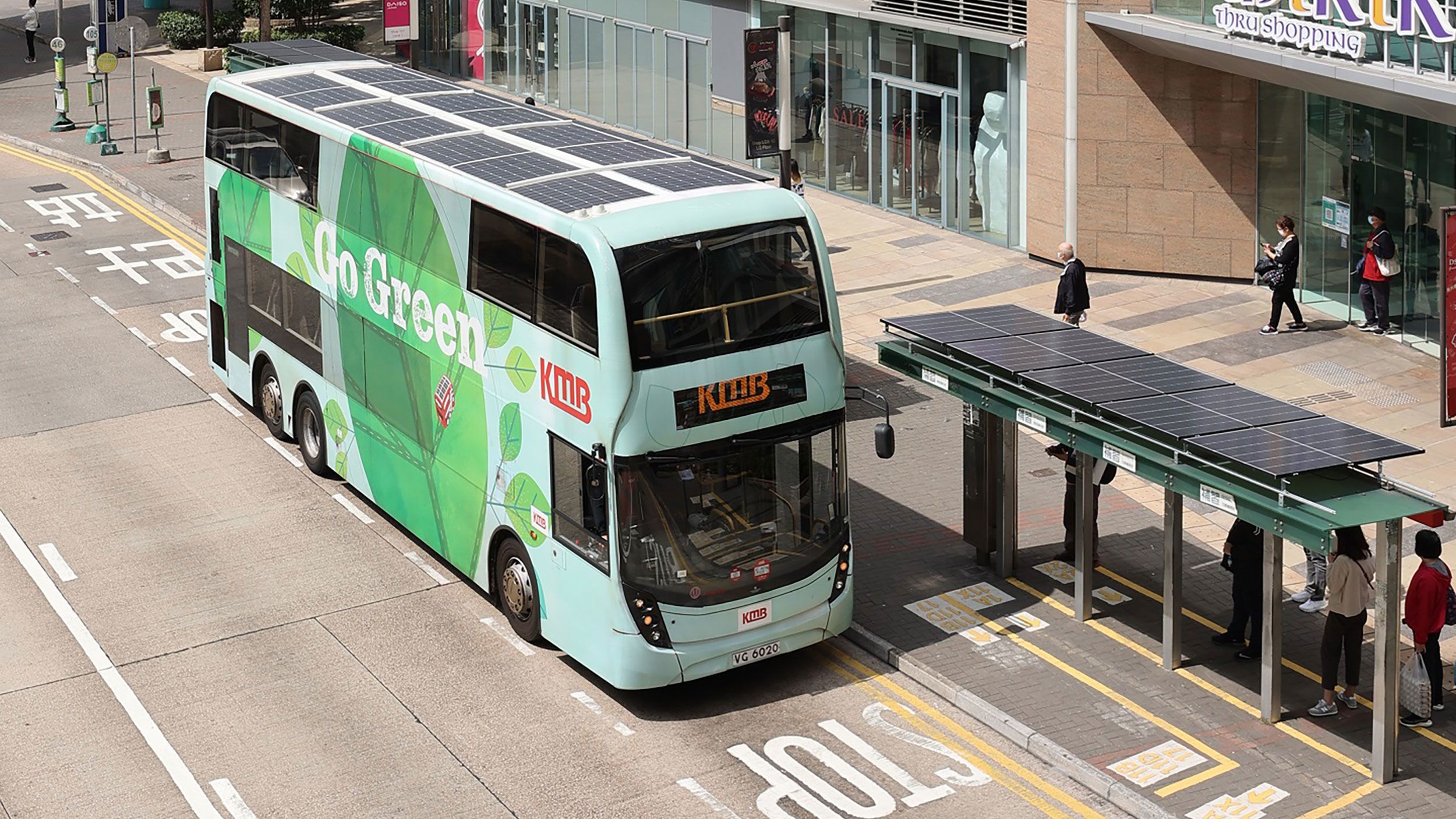
The transport sector is extremely dependent upon fossil fuels, and that energy use in the is increasing at 3.6% annually. Renewable energy accounted for only 3.9% of energy in transportation for 2022—a rise of just 1.0% from ten-years prior (Couzin 2025). Road transport accounts for the majority of energy use and emissions, though electric vehicles have displaced 1.3 million barrels of oil usage per day in 2024, up from 0.3 million in 2018. Shipping is the most fossil fuel dependent subsector, with over 99% of international demand supplied by oil products. Aviation remains the most energy and emission intensive subsectors, with consumption around 10% of total energy for global transport. Rail transport however is highly efficient, largely due to extensive electrification and increasing renewable energy usage. Further integration of renewable energy is essential to reduce emissions and achieve sustainable goals. Electric vehicles, smart grids, artificial intelligences, and machine learning offer potential for enhanced efficiency, energy optimization, and smooth implementation (Sayeed 2024). With the transport sector requiring approximately 25% of global energy, decarbonization is a necessity and advocated by the International Energy Agency through a ‘net zero’ initiative (Lindstad 2022).
References
Couzin, Hind; Baba, Jad; Piper, Janne; Wainer, Andrea; Wang, Jiayi & Wright, Glen. (2025). Renewable Energy in Transport. REN21. www.ren21.net/gsr-2025/sectors/transport/.
Lindstad, Elizabeth; Ask, Tor Øyvind; Cariou, Pierre; Eskeland, Gunnar & Rialland, Agathe. (2023). Wise Use of Renewable Energy in Transport. Transportation Research: Part D, 119: 103713. doi.org/10.1016/j.trd.2023.103713.
Randall, Carolyn. (2022). Renewable Vs. Nonrenewable Energy Resources. Sciencing. www.sciencing.com/renewable-vs-nonrenewable-energy-resources-12071170/.
Sayeed, Mohammad Azhar & Manikandan, Kadirvel. (2024). Smart Integration of Renewable Energy into Transportation: Challenges, Innovations, and Future Research Directions. Journal of Renewable Energies, 27: 319-337. doi.org/10.54966/jreen.v27i2.1300.
Sources of Energy: A Comparison. (2023). Council on Foreign Relations. education.cfr.org/learn/reading/sources-energy-comparison.